
The Material Decision That Changes Everything
When you’re shopping for a folding dining table for a small apartment, the mechanism matters. The size matters. But there’s one decision that determines whether your table lasts 6 months or 6 years: the material.
Walk into any furniture store — or scroll through any online marketplace — and you’ll see two material labels dominate the mid-range category: MDF and Plywood.
Most buyers don’t know the difference. Marketing teams count on that.
At Kingchi, we’ve made our choice clear: we build exclusively with premium plywood. In this guide, we’ll show you exactly why plywood beats MDF in every category that matters — especially if you’re buying furniture designed to move, fold, and adapt to your life.
What Is MDF, and What Is Plywood?
Before we compare, let’s define the two materials in plain English.
MDF (Medium-Density Fiberboard)
MDF is made by breaking down hardwood and softwood into wood fibers, combining them with wax and a resin binder (usually formaldehyde-based), and pressing them into panels under high temperature and pressure.
The result is a dense, uniform board with no wood grain, no knots, and a perfectly smooth surface.
Plywood
Plywood is made by peeling thin layers (veneers) from a log, then gluing those layers together with the grain direction alternating 90 degrees for each layer. This cross-laminated structure is what gives plywood its signature strength.
The outer layers can be high-quality hardwood veneers (like birch, oak, or maple), giving the board both structural integrity and natural beauty.
Head-to-Head Comparison: Plywood vs. MDF
| Feature | Plywood | MDF | Winner |
|---|---|---|---|
| Structural Strength | Cross-laminated layers resist splitting and cracking | No grain structure; prone to sagging under weight | 🏆 Plywood |
| Weight | 30–40% lighter than solid wood; manageable | Very heavy and dense | 🏆 Plywood |
| Moisture Resistance | Naturally resists warping; exterior grades are waterproof | Absorbs water like a sponge; swells and crumbles | 🏆 Plywood |
| Screw & Hinge Holding | Holds screws and hinges securely, even after multiple insertions | Screws strip easily; hinges pull out over time | 🏆 Plywood |
| Eco-Friendliness | FSC-certified options; lower resin content | High resin/binder content; off-gasses VOCs | 🏆 Plywood |
| Surface Finish | Visible wood grain; can be stained, painted, or clear-coated | Perfectly smooth; paint-only surface | Tie (depends on preference) |
| Price | $$ – $$$ (mid to high range) | $ (budget-friendly) | MDF (if price is the only factor) |
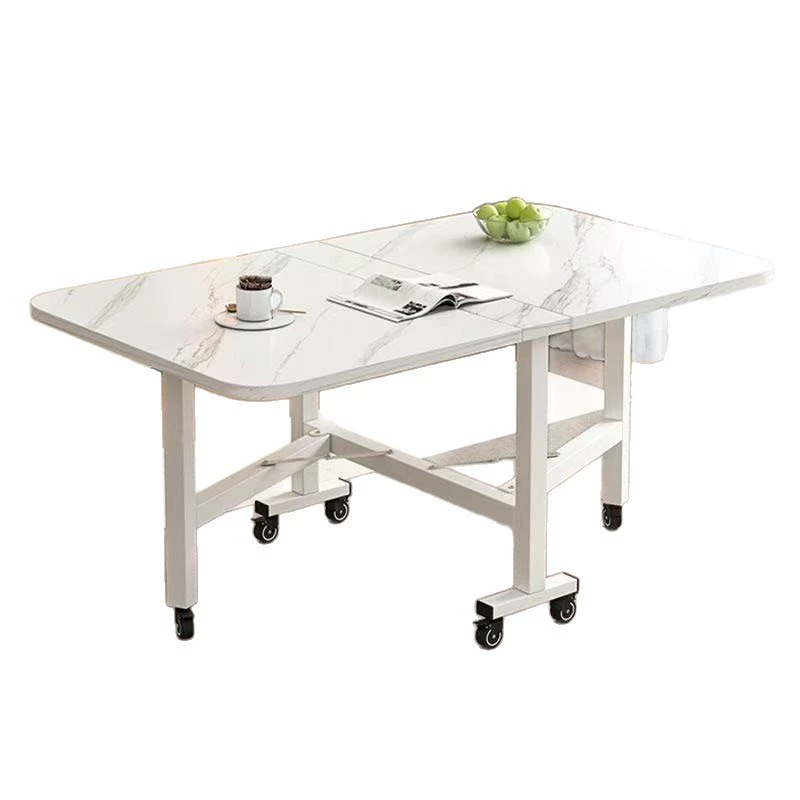
5 Reasons Plywood Is the Clear Winner for Folding Furniture
1. Hinges Need Something to Bite Into
A drop leaf table or butterfly leaf mechanism relies on hinges that are screwed into the tabletop edge. Every time you fold or unfold the table, those screws experience stress.
- MDF: The screw hole weakens after just a few cycles. The material is essentially compressed dust — it has no internal fiber structure to grip the screw threads. Within months, the hinge pulls out.
- Plywood: The cross-laminated wood fibers create a natural “claw” around the screw. Even after hundreds of open/close cycles, the hinge stays put.
2. Warp Resistance = Flat Tabletops
MDF is notorious for absorbing moisture from the air. In humid climates or homes without perfect climate control, MDF tabletops can cup, warp, or swell — leaving you with a wobbly dining surface.
Plywood’s cross-banded layers counteract this naturally. The alternating grain directions cancel out internal stresses, keeping the tabletop flat and stable year-round.
3. Weight Matters When You Move Your Table
One of the biggest advantages of a space-saving folding table is mobility. You might:
- Fold it and roll it against a wall
- Move it from living room to balcony
- Reposition it for a dinner party
MDF is deceptively heavy. A full-size MDF tabletop can weigh 50–80 lbs, making it a two-person job to move. Plywood delivers the same surface area at 30–40% less weight — manageable for one person.
4. Eco-Friendliness: What’s in Your Air?
MDF contains significantly more resin binders than plywood — and many of those resins are formaldehyde-based. While regulations have tightened, budget MDF furniture is still a common source of indoor VOC off-gassing.
At Kingchi, we use FSC-certified plywood with low-VOC adhesives. It’s safer for your family, better for the planet, and doesn’t smell like a chemical factory when you unbox it.
5. Aesthetics: Real Wood Grain Never Goes Out of Style
MDF can only be painted. Once the paint chips (and it will), the gray-brown fiberboard underneath looks cheap.
Plywood, on the other hand, can be:
- Clear-coated to show off natural wood grain (perfect for Scandinavian or Japandi interiors)
- Stained in oak, walnut, or ash tones
- Painted for a modern minimalist look
The result is furniture that looks premium because it is premium.
When Might MDF Be the Right Choice?
We believe in being honest: MDF isn’t always the wrong choice. It has its place:
- Painted cabinet doors in kitchens (where moisture is controlled and screws go into frames, not just the panel)
- Decorative wall panels (where structural strength doesn’t matter)
- Budget furniture that you plan to replace in 1–2 years
But for a folding dining table that you’ll use daily, fold weekly, and expect to last for years? Plywood is the only rational choice.
The Kingchi Standard: Why We Use Plywood Exclusively
Every table in our collection — from the Extendable Folding Dining Table to our Wall-Mounted Fold-Down Tables — is built on a foundation of premium plywood:
- ✅ 18mm thick cross-laminated panels for maximum stability
- ✅ FSC-certified sourcing — responsibly harvested wood
- ✅ Low-VOC adhesives — safe for families and pets
- ✅ Smooth birch or oak veneer faces — beautiful enough to leave unfinished or easy to paint
We don’t cut corners on materials because we know our customers expect furniture that lasts.
Choose the Material That Chooses You Back
When you buy a folding table, you’re not just buying a surface — you’re buying thousands of future meals, work sessions, and gatherings. The material you choose determines whether those moments happen on a stable, beautiful table or a warped, wobbly replacement.
Plywood beats MDF in strength, weight, moisture resistance, screw retention, and eco-friendliness. For folding furniture — which lives and breathes with your daily routine — it’s not even a close call.
At Kingchi, we’ve built our entire brand around this principle. Premium plywood. Smart design. Small-space living made beautiful.
Why Plywood Beats MDF for Furniture (Especially Folding Tables)
The Material Decision That Changes Everything When you’re shopping for a folding dining table for…
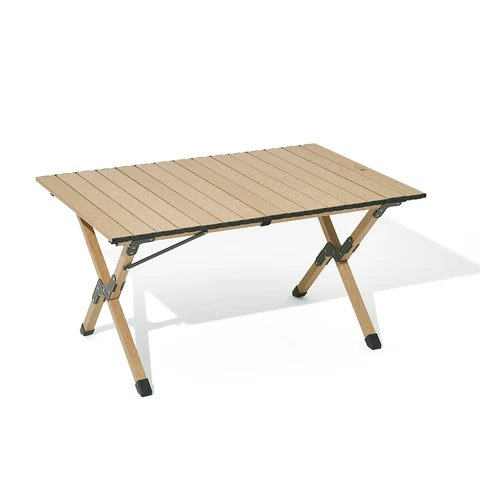
Drop Leaf Tables for Small Spaces: The 2026 Complete Buying Guide
If you live in a studio apartment, a compact condo, or simply want to reclaim…
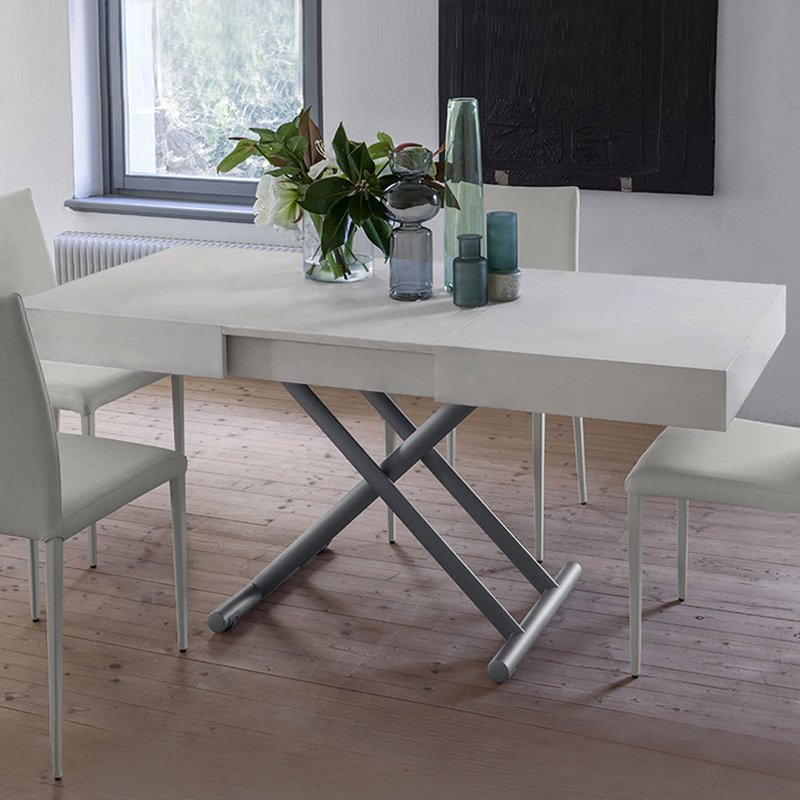
Why Folding Tables Are a Must-Have for Modern Living
The Smart Choice for Every Space: Why Folding Tables Are a Must-Have for Modern Living….