
If you live in a studio apartment, a compact condo, or simply want to reclaim floor space in your dining room, you’ve probably asked the same question: How do I fit a dining table into a room that’s already too small?
The answer is the drop leaf table — a space-saving classic that’s been reimagined for modern living.
Unlike bulky fixed tables, a drop leaf table for small spaces gives you the flexibility to expand when you have guests and fold down when you need room to breathe. In 2026, manufacturers are taking this concept even further, combining premium plywood craftsmanship with butterfly-leaf mechanisms, hidden wheels, and wall-mount options.
In this complete buying guide, we’ll walk you through everything you need to know: how drop leaf tables work, what materials to look for, the key尺寸 (sizes) for small apartments, and which styles deliver the best value for your home.
What Is a Drop Leaf Table? (And How Does It Differ from Other Folding Tables?)
A drop leaf table features one or two hinged sections (the “leaves”) that can be raised to extend the surface or lowered to save space. When both leaves are down, the table becomes a narrow console — sometimes as slim as 12 inches deep.
Here’s how drop leaf tables compare to other space-saving dining tables:
| Type | Mechanism | Best For | Folded Profile |
|---|---|---|---|
| Drop Leaf | Hinged side panels fold up/down | Dining + multi-use rooms | Narrow console (10–18″ deep) |
| Butterfly Leaf | Center panel slides out, wings unfold | Seating 6–10 in small footprint | Standard table depth |
| Wall-Mounted | Entire table folds flat against wall | Hallways, kitchens, home offices | Flat against wall (3–5″ thick) |
| Gateleg | Swing-out legs support leaves | Traditional small dining | Semi-compact |
Why Plywood Is the Best Material for a Drop Leaf Table
When shopping for a folding dining table for small apartments, you’ll encounter three main tabletop materials: solid wood, MDF (medium-density fiberboard), and plywood.
Here’s the honest breakdown:
Plywood vs. MDF vs. Solid Wood
| Feature | Plywood | MDF | Solid Wood |
|---|---|---|---|
| Weight | Lightweight (easy to move) | Heavy | Very heavy |
| Warp Resistance | Excellent (cross-laminated layers) | Poor (absorbs moisture) | Moderate (can crack) |
| Eco-Friendliness | High (FSC-certified options) | Low (resin-heavy) | High |
| Price | $$ (affordable premium) | $ (cheap) | $$$$ (expensive) |
| Finish Quality | Smooth, modern, paintable | Smooth but fragile | Natural grain, high-end |
The verdict: For a drop leaf table that you’ll fold and unfold daily, plywood is the smartest choice. It’s 30% lighter than solid wood (easier on the hinges), resists warping better than MDF, and delivers a clean, modern look that fits 2026 interior trends.
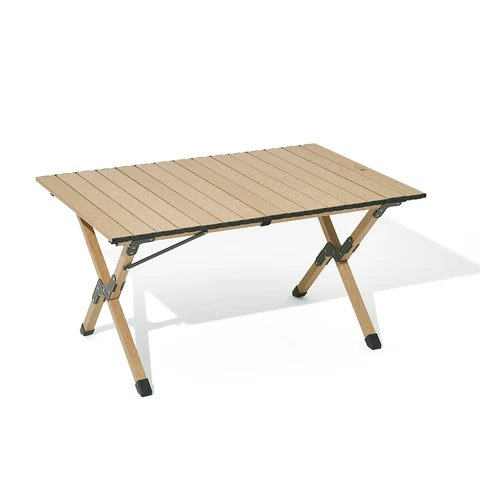
5 Key Factors to Consider Before Buying
1. Size: Measure Twice, Buy Once
Before falling in love with a table, measure your space in both configurations:
- Folded/Closed dimensions: This is your everyday footprint. Make sure there’s at least 24–30 inches of clearance around the table for walking.
- Extended/Open dimensions: Ensure you can still pull out chairs and walk behind them. Allow 36 inches behind chairs for comfortable seating.
Quick reference for small apartments:
- Studio (300–500 sq ft): Look for a table that seats 2–4 closed, expands to 4–6 open.
- 1-Bedroom (500–800 sq ft): Aim for 4 closed, 6–8 open.
- Small dining nook: A wall-mounted drop leaf is often the best fit.
2. Mechanism: Smooth Operation Matters
You’ll be opening and closing this table frequently. Test (or read reviews about):
- Ease of leaf deployment: Can you do it one-handed?
- Locking system: Does the leaf lock securely in the up position? (Safety first!)
- Hinge quality: Look for metal piano hinges over plastic brackets.
3. Storage: Where Do the Chairs Go?
A table that folds is great — but where do the extra chairs live? Some space-saving dining tables solve this with:
- Chairs that tuck completely under the folded table
- Stools that slide under the tabletop
- Built-in bench seating with storage underneath
4. Mobility: To Wheel or Not to Wheel?
Some drop leaf tables come with lockable wheels, allowing you to:
- Roll the table against a wall when not in use
- Move it from living room to balcony for outdoor dining
- Reposition easily for cleaning
If you choose wheels, make sure they have a locking mechanism — you don’t want your dinner sliding mid-meal.
5. Style: Match Your Interior
In 2026, the most popular finishes for small-space furniture are:
- Natural plywood with clear coat (Scandinavian, Japandi)
- White laminate (Modern, Minimalist)
- Two-tone (wood top + white/black base)
- Light oak veneer (Mid-Century Modern)
4 Best Drop Leaf Table Styles for Small Spaces in 2026
① The Classic Drop Leaf (Two-Side Fold)
The traditional design. Both sides fold down independently, so you can have one side up (against a wall) for a narrow breakfast nook, or both up for full dining.
Best for: Studio apartments, kitchen corners
Seats: 2 (folded) → 4 (one leaf up) → 6 (both up)
② The Butterfly Leaf Extendable Table
A modern evolution. The leaf is stored inside the table and “unfolds” like butterfly wings when you pull the table apart. No separate leaf to store.
Best for: Small dining rooms, open-plan living
Seats: 4 → 8
Why we love it: Kingchi’s flagship Extendable Folding Dining Table uses this mechanism with a premium plywood top.
③ The Wall-Mounted Fold-Down Table
The ultimate space-saver. Mounts to any wall stud, folds flat when not in use. Some models include a dry-erase surface or built-in storage cubbies.
Best for: Hallways, home offices, balconies
Seats: 2–4
Pro tip: Install at bar height (42″) with stools for a compact breakfast bar.
④ The Convertible Coffee-to-Dining Table
A two-in-one solution. Functions as a coffee table in living rooms, then lifts and expands to dining height for meals.
Best for: Living rooms that double as dining rooms
Seats: 4–6
Height: Adjustable (18″ → 30″)
How to Style Your Drop Leaf Table
Once you’ve chosen your table, here’s how to make it look intentional (not like a camping setup):
- Add a runner: A narrow table runner softens the folded profile and adds color.
- Use wall space: Hang a mirror or floating shelf above a wall-mounted table to create a “dining nook” feel.
- Choose slim chairs: Avoid bulky armchairs. Opt for side chairs under 18″ wide.
- Layer lighting: A pendant light above the table (even when folded) defines the dining zone.
A drop leaf table for small spaces isn’t just a piece of furniture — it’s a lifestyle choice. It says: I value flexibility. I refuse to let square footage limit how I live.
Whether you choose a classic two-side fold, a modern butterfly leaf, or a wall-mounted design, the key is matching the mechanism to your daily routine. Think about how often you’ll extend it, who you’ll seat, and where it will live when folded.
At Kingchi, we’ve designed our Extendable Folding Dining Table specifically for small-space dwellers who refuse to compromise on style. Crafted from premium FSC-certified plywood with a smooth butterfly-leaf mechanism, it seats 2–8 and folds to a slim profile that tucks against any wall.
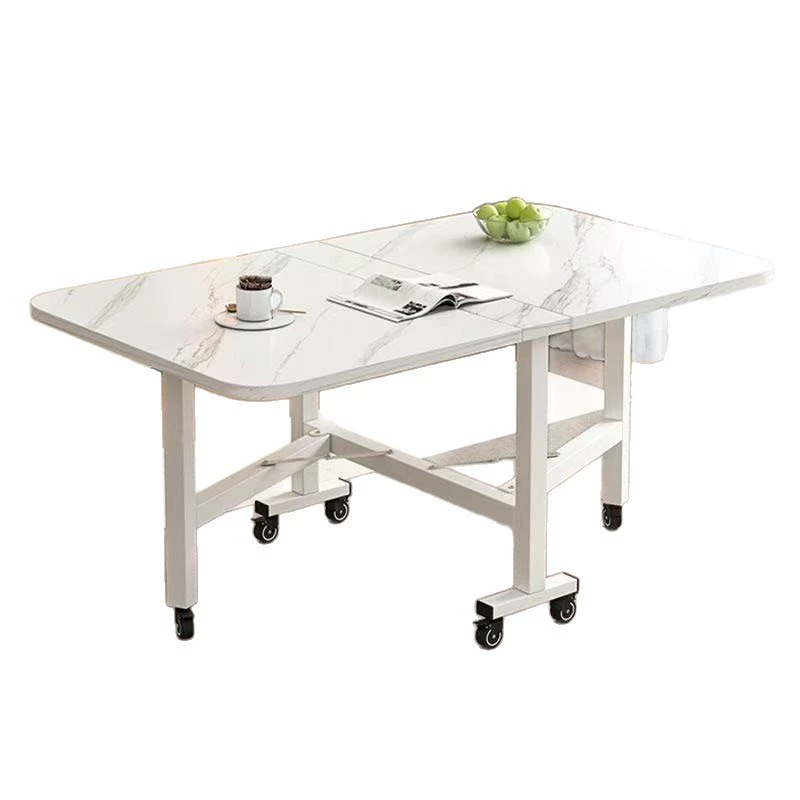
Why Plywood Beats MDF for Furniture (Especially Folding Tables)
The Material Decision That Changes Everything When you’re shopping for a folding dining table for…
Drop Leaf Tables for Small Spaces: The 2026 Complete Buying Guide
If you live in a studio apartment, a compact condo, or simply want to reclaim…
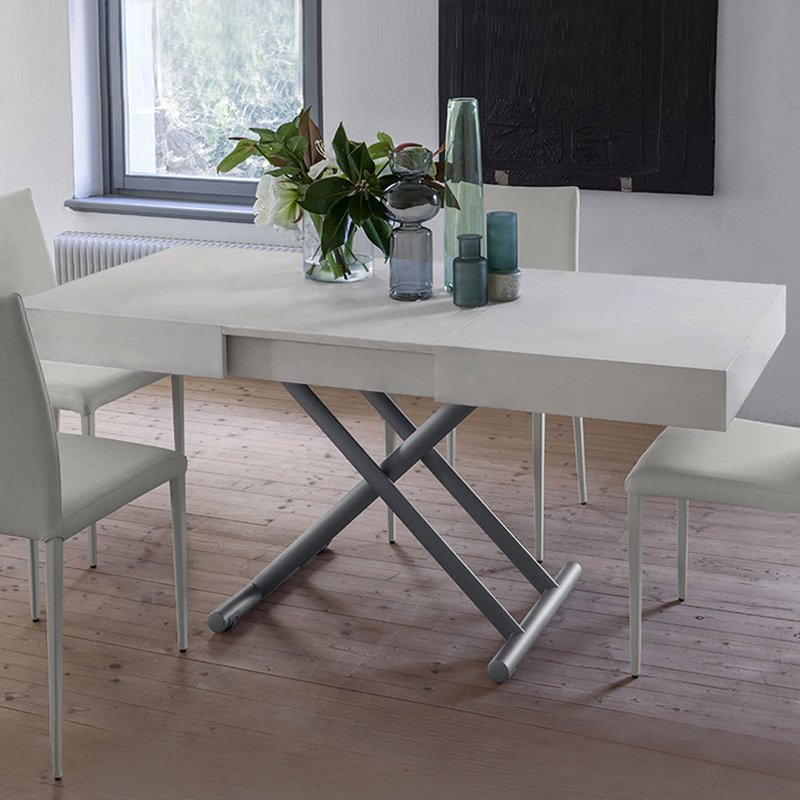
Why Folding Tables Are a Must-Have for Modern Living
The Smart Choice for Every Space: Why Folding Tables Are a Must-Have for Modern Living….